





One night in June 2026, a tense atmosphere filled the Bac Ai Regional Medical Center.
Ms. P was rushed to the hospital in emergency labor, her condition already very weak. Just minutes later, her baby was born-but there was no cry. The tiny body was blue and limp, struggling after the umbilical cord had wrapped tightly around the baby’s neck twice.
As doctors and nurses worked urgently to resuscitate the newborn, another life-threatening emergency unfolded. The mother suffered severe postpartum hemorrhage because the placenta was firmly attached and could not be delivered. With limited human resources, the entire on-duty medical team was immediately mobilized. Each person took on a critical role as they raced against time to save both mother and child.
The baby was placed under a specialized infant warmer to maintain body temperature while resuscitation continued. A neonatal suction device helped quickly clear the baby’s blocked airway. At the mother’s bedside, a vital signs monitor continuously tracked her heart rate, blood pressure, and other critical indicators, helping the medical team closely monitor her condition and make timely decisions.
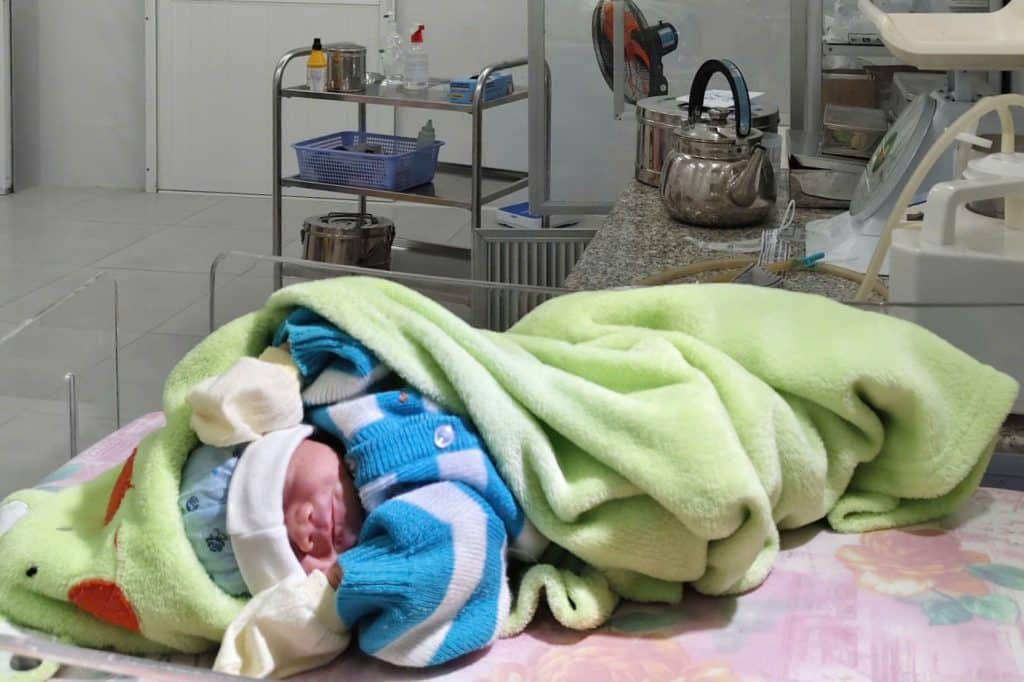
On one side was a mother losing blood; on the other was a newborn fighting for those first fragile breaths. Inside the delivery room, every second mattered as the medical team worked relentlessly to help both mother and child through this critical moment.
After the emergency was successfully managed, mother and baby continued to receive attentive care for five days. Finally, the moment the whole family had been hoping for arrived: both mother and baby had recovered, were healthy, and were able to return home together.
Ms. P’s story is one of 766 newborns whose lives have been saved and whose conditions have been successfully treated with the support of medical equipment provided by MT Cosmetics and generous donors through the Survive to Thrive fundraising dinner, as part of the Neonatal Care program.
It is also a testament to the meaningful changes at Bac Ai Regional Medical Center after 24 months of partnership with the program.